
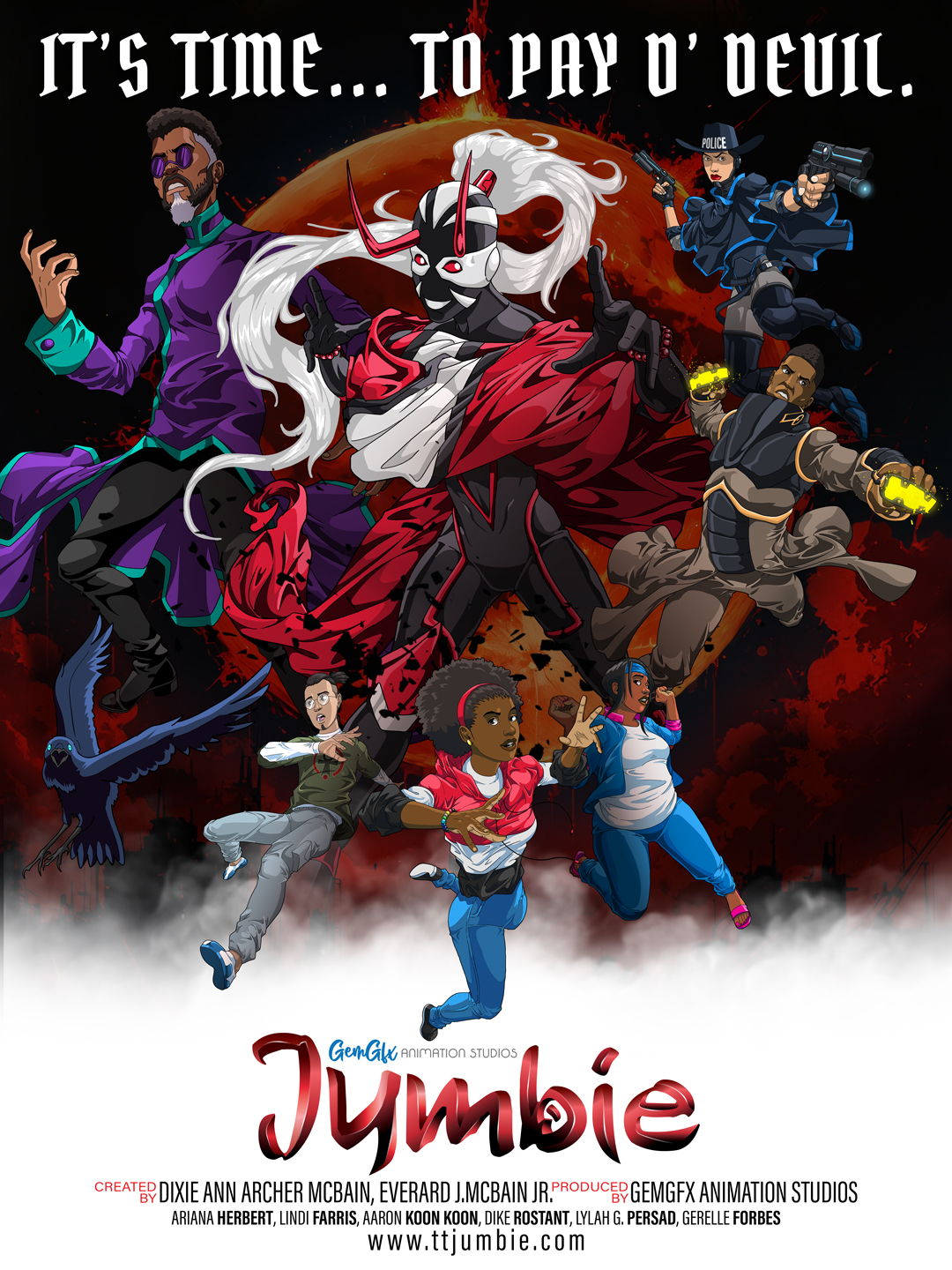
“Nothing is free.”
Those words were once spoken to me by an influential person in the animation industry as they tried to convince me to let them work on our IP, Jumbie, after our very simple trailer went semi-viral back in 2020.
At the time, my wife and I learned a hard but useful lesson. We were not suddenly better creators because the trailer got attention. We were simply more valuable. Before that moment, we were easy to overlook. After that moment, people could see the possibility. They could see audience interest. They could see money.
That experience changed the way I think about animation, creativity, and ownership.
1. Creators often think about development. Studios think about ownership.
Most creators begin with the work itself. We think about characters, story, design, animation, music, emotion, and meaning. We think about how to make the thing better.
Studios and investors often think differently. They look at control, copyright, licensing, distribution, merchandising, and long-term value. That is not necessarily evil. It is business. But creators need to understand that business clearly.
For a long time, I thought the animation industry was something you had to “break into.” You worked hard, improved your craft, showed your talent, and hoped someone would open the door.
But talent alone is not always the deciding factor. Sometimes it is networking. Sometimes it is cliques. Sometimes it is money. And very often, money is tied to IP.
If your IP can attract attention, build an audience, or generate revenue, suddenly doors that were closed may begin to open. But we have to ask an important question: are those doors opening for you, or are they opening for what you own?
The question of AI and intellectual property makes this even clearer. Independent artists, writers, photographers, and musicians had been raising concerns about AI for some time, especially around training data and imitation. But the conversation became much harder for the industry to ignore when major rights holders began seeing their own properties affected.
Disney and Universal suing Midjourney over allegedly AI-generated images of famous characters is a useful case study. So is Getty Images taking legal action against Stability AI over the alleged use of its image library. The New York Times has also sued OpenAI and Microsoft, arguing that its journalism was used without permission to train AI systems that could compete with its own work. Thomson Reuters brought a similar issue into focus when it challenged an AI legal research company over the use of Westlaw content.
Whatever side someone takes in the wider AI debate, these cases reveal something important: ownership matters most when there is something valuable to protect. When an individual creator complains that their style, work, or ideas are being absorbed into someone else’s machine, they are often told to adapt. But when a major company sees its characters, images, articles, or databases being used without permission, suddenly ownership becomes a serious legal and business issue.
That is the lesson for creators. Do not wait for someone else to treat your work like property before you do.
2. Creating something and owning it are not the same thing.
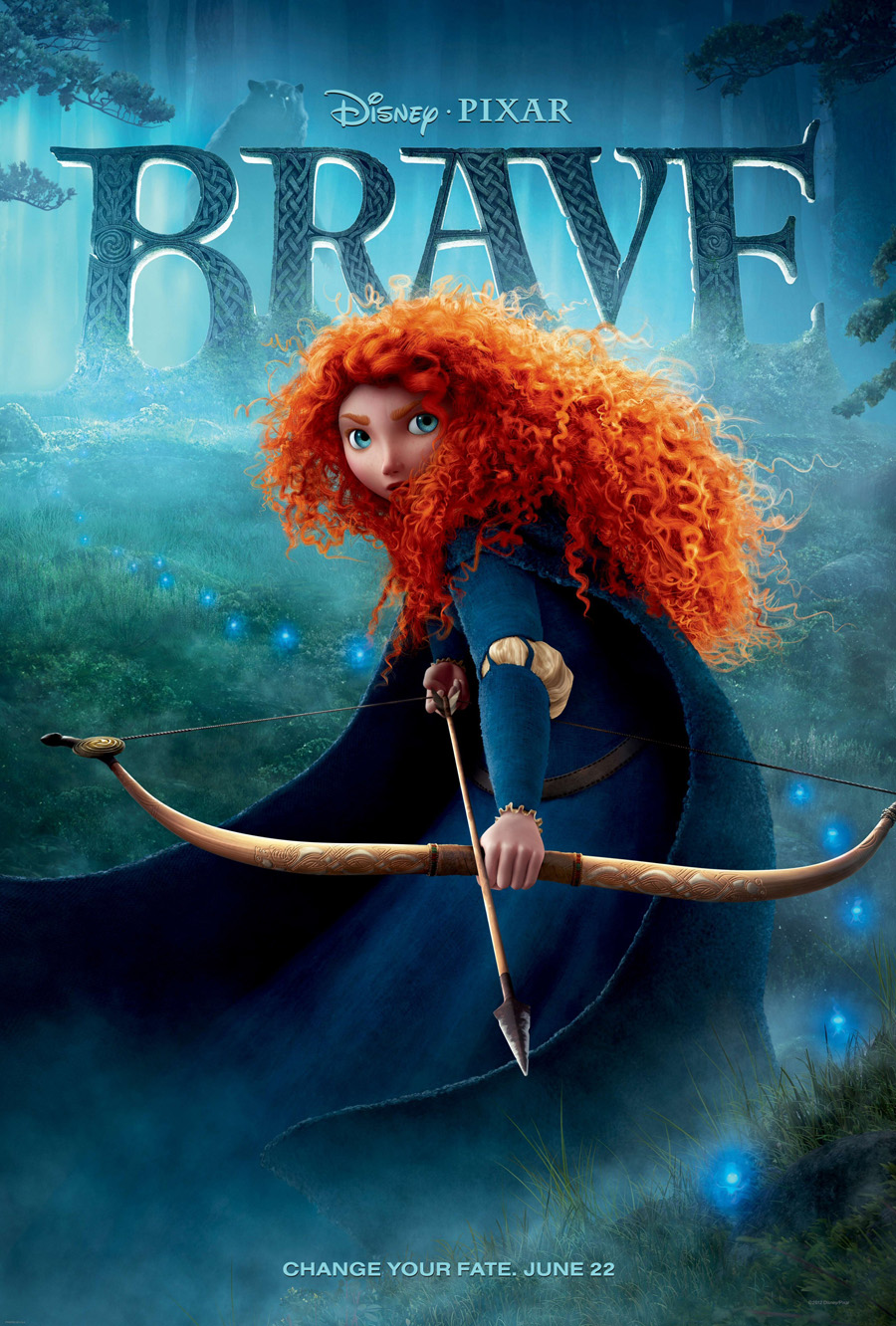
One of the clearest examples of this is the story of Brenda Chapman and Brave. Chapman created a deeply personal story inspired by her relationship with her daughter, but during production, she was removed as director and replaced. She still received credit, but the larger point remains: when you create something inside a system you do not control, you may not be the final voice on how that story is told.
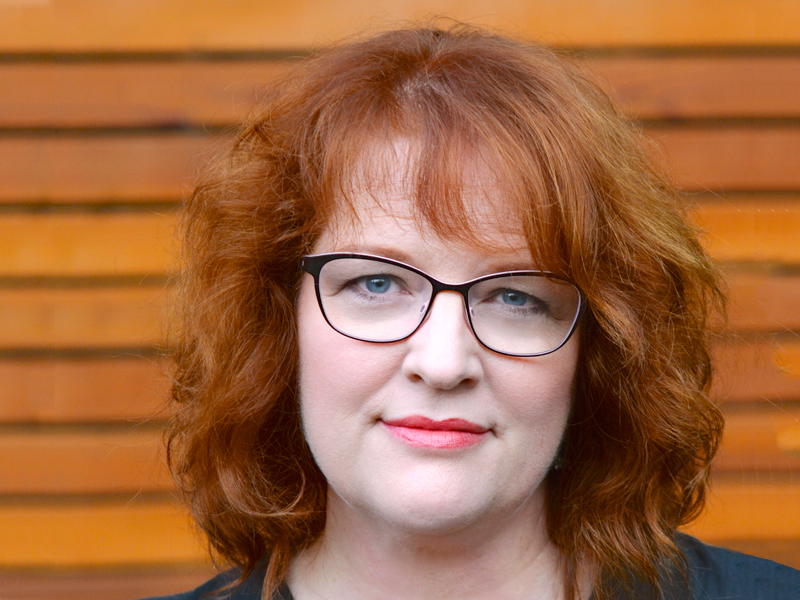
That is the difference between creation and ownership.
You can create something and still not have the authority to protect it. You can pour your life into a story and still be replaced. You can build the emotional foundation of a project and still not control the final structure.
That reality should not make creators bitter, but it should make us aware.
Big companies understand the value of IP. That is why they use strong contracts, powerful lawyers, and aggressive copyright protection. They do not treat ownership as a small thing. They treat it as the foundation.
So creators should not treat ownership of IP as a small thing either.
3. Build the value of your IP before giving anyone power over it.
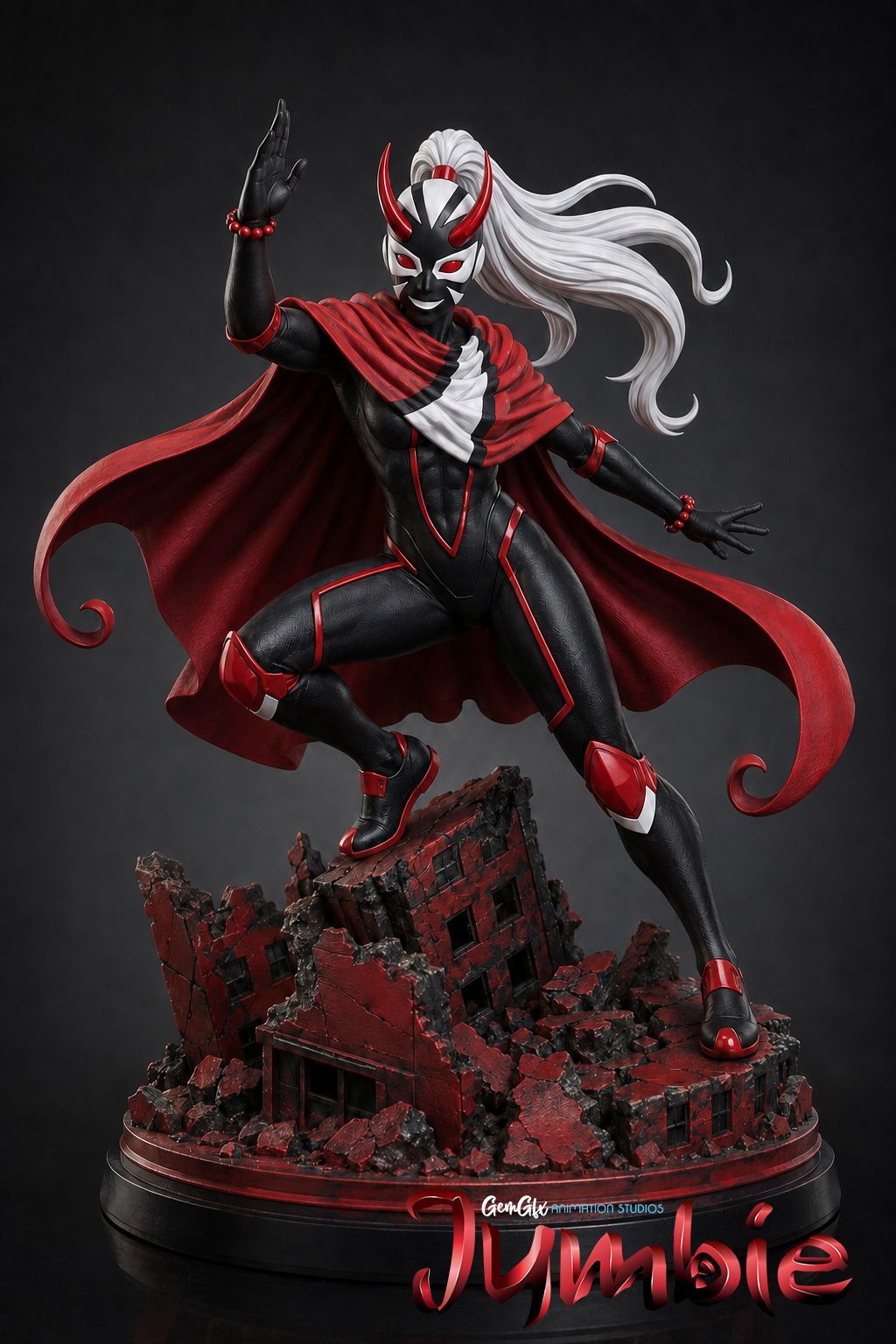
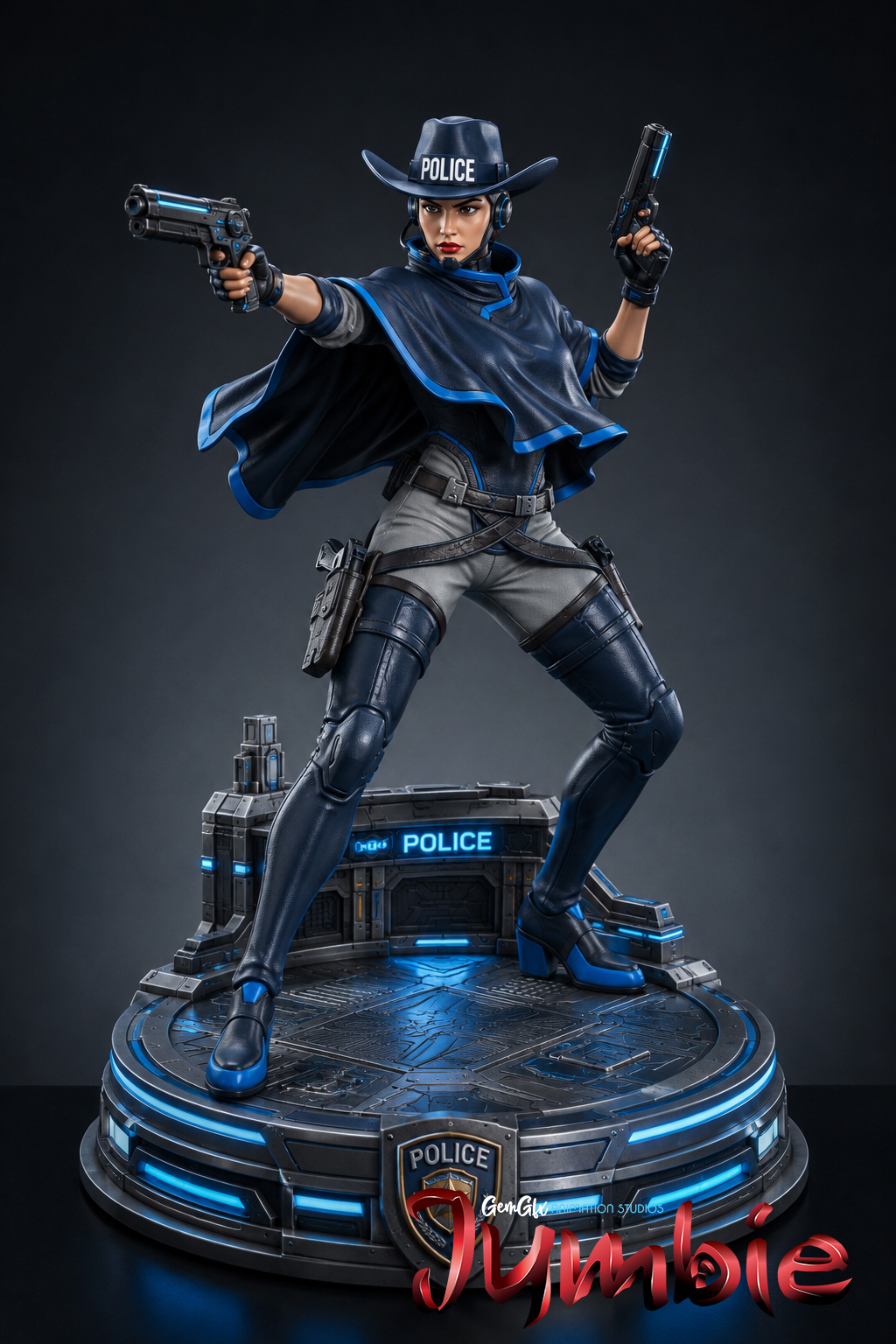
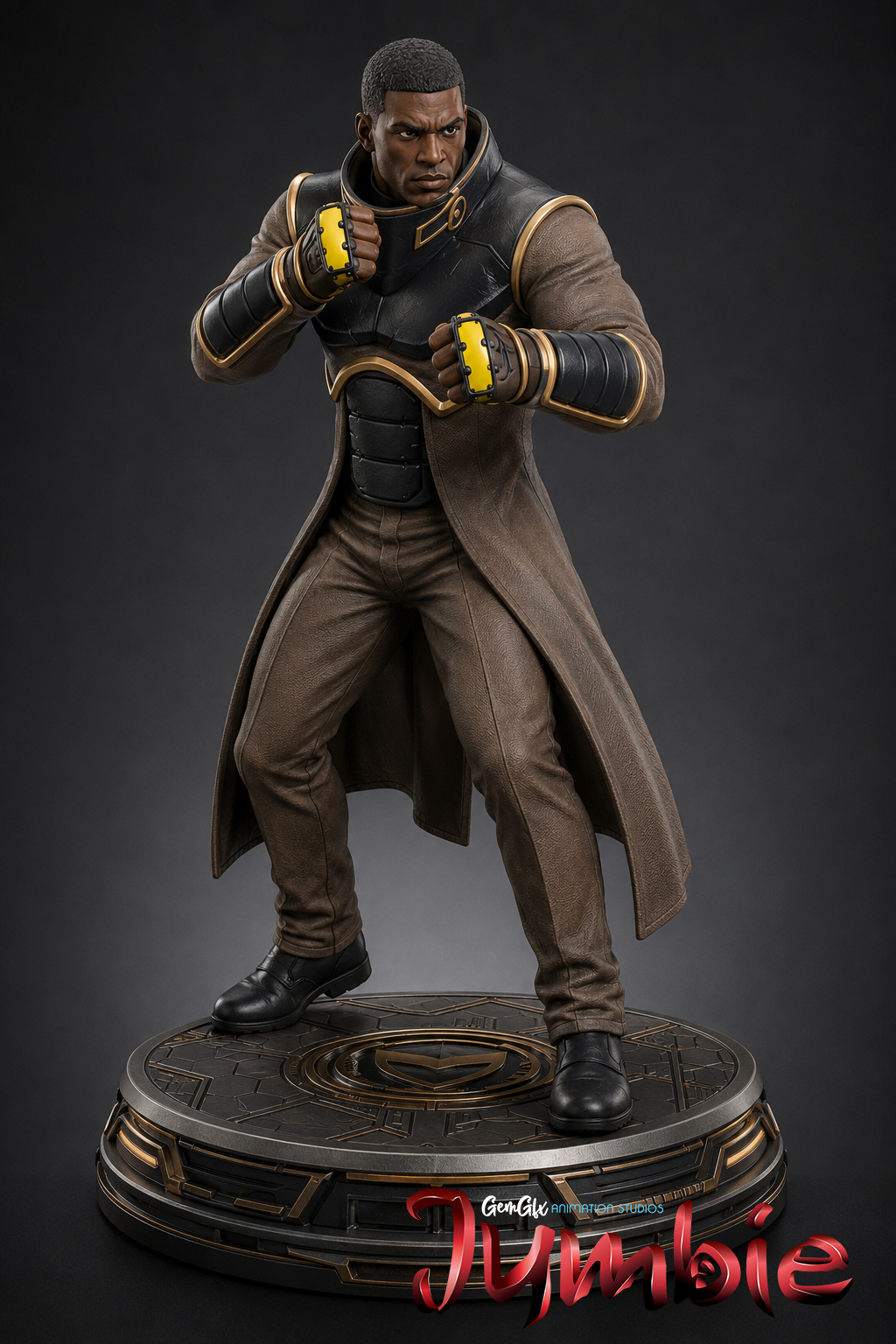
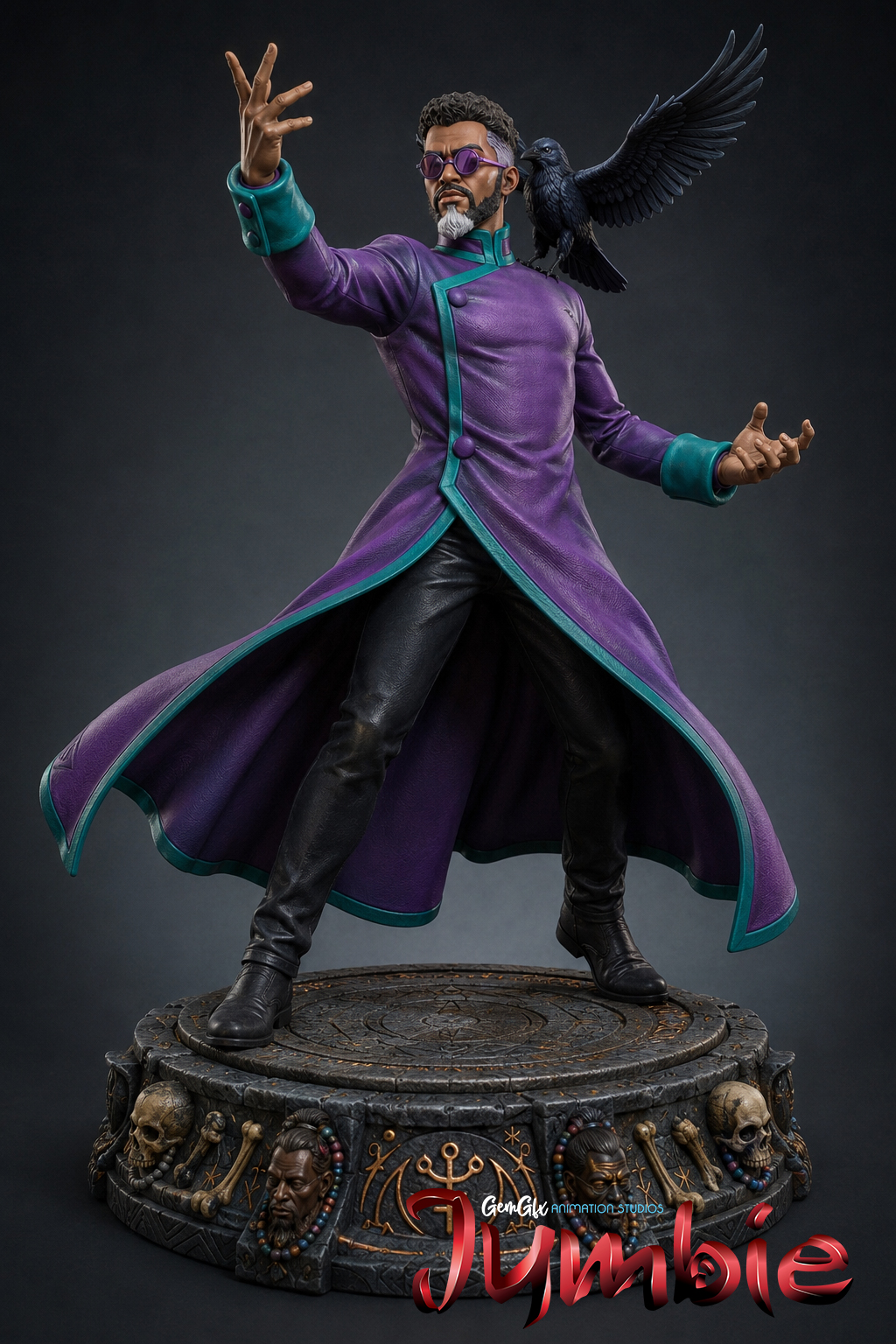
Intellectual property is not exactly the same as land, but there is a useful comparison. Property can grow in value when it is developed, protected, and placed in the right environment. IP can grow in value, too.
You build the value of your IP by developing it consistently. Finish scenes. Create artwork. Build a style. Define the world. Clarify the characters. Make the audience understand what the story is and why it matters.
You build value by proving there is an audience. Social media attention, email lists, Patreon support, crowdfunding, screenings, merchandise, comments, shares, and community engagement all show that people care.
You build value by protecting the work. Register what needs to be registered. Keep records. Understand copyright. Be careful with contracts. Do not casually hand over control because someone with a title makes the opportunity sound impressive.
You build value by making the IP distinct. A strong visual identity, a clear emotional hook, memorable characters, and a world people recognise immediately all make the property harder to dismiss and easier to support.
And finally, you build value by continuing. One post is not an IP. One trailer is not a business. But consistent development over time tells people this is not a lucky accident. This is a serious creative property.
Conclusion
This is not about refusing help. It is not about distrusting everyone. It is not about pretending creators can do everything alone.
It is about understanding what you have and its value.
If someone wants your IP, that may be a sign that it has value. If someone downplays ownership while trying to get close to what you own, pay attention. If a company would fiercely protect the IP once it belongs to them, then you should be just as serious about protecting it while it belongs to you.
Creators should dream. We should build. We should collaborate. But we should also own.
Because in this industry, the story matters. The art matters. The audience matters.
But ownership decides who gets to carry it forward.
Till next time
Everard

Everard is the Creative Director and CEO of GemGfx Animation Studios, a Trinidad and Tobago-based animation and design studio focused on original storytelling, Caribbean-inspired characters, visual development, branding, and animation production. Through projects such as Jumbie, The God of the Wilderness, and Celflux, he explores folklore, culture, technology, morality, power, and human agency through bold visual worlds and character-driven stories. His work combines illustration, animation, design, and emerging creative tools while keeping authorship, cultural perspective, and human decision-making at the centre of the process.


Leave a Reply